

In lots of churches around the UK and Ireland, space feels tighter than you might think. The main worship area isn’t only for Sunday services, it’s often used for weddings, community get-togethers, choir practice, youth nights, and pretty much any event the congregation comes up with. The problem is those heavy, fixed pews; moving them takes forever and turns a quick setup change into a big chore. Switching to high-stacking chairs can be really helpful, giving much more flexibility while still keeping things comfy and looking good.
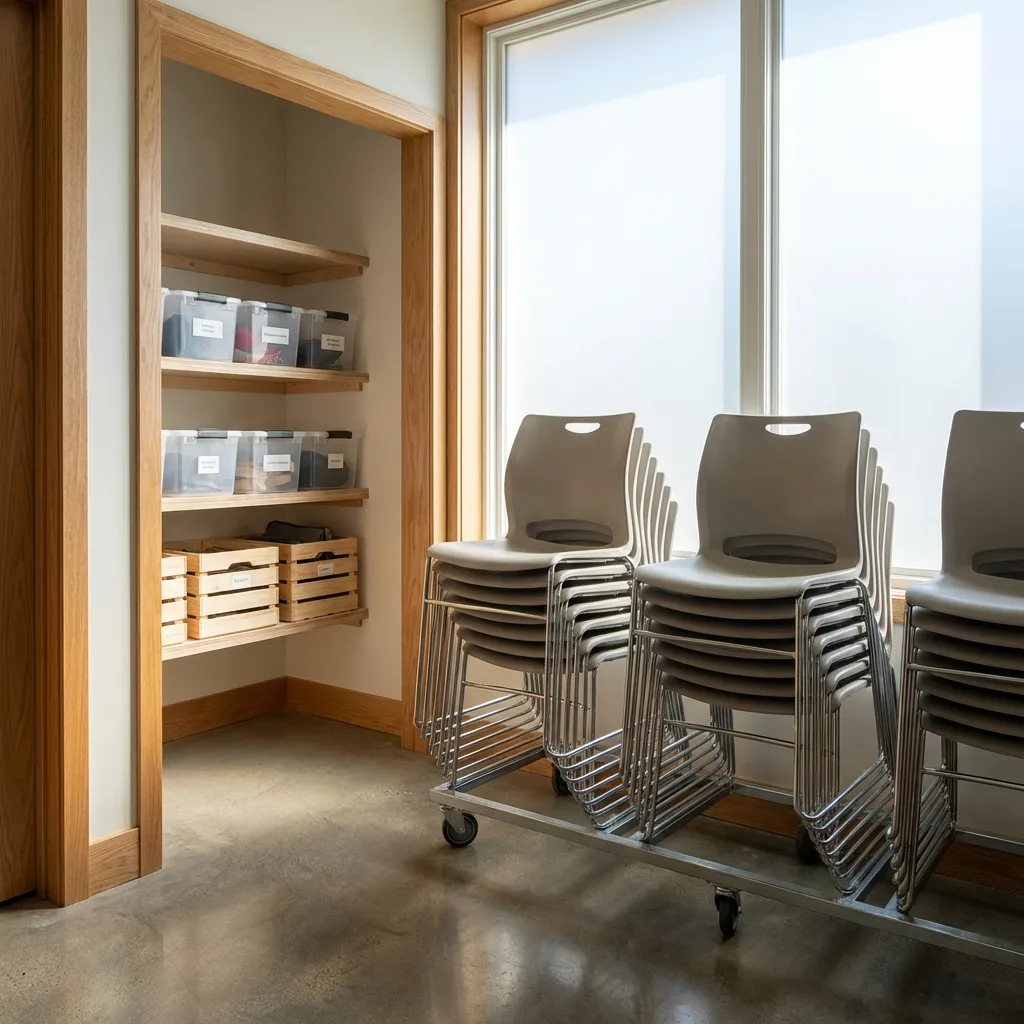
These chairs stack straight up, often 25 to 30 high on a wheeled cart, so clearing a room can be done in minutes. Instead of struggling with big wooden benches, volunteers can roll chairs away easily, avoiding strain and saving time. Once stacked, they tuck neatly into a corner, taking up far less storage space than the old fixed seating ever did.
Many churches are rethinking how their buildings serve people beyond Sunday services. The main hall might now host community dinners, local music shows, leadership workshops, or even weekend craft fairs. With so many different uses, the layout needs to change quickly. One helpful idea is swapping out heavy, fixed pews for light, stackable chairs, which reports say can free up around 30% more usable space. That extra room can make it easier to run bigger Easter services, add seasonal events, or try new programs without spending a lot on renovations. In one city church, this switch meant they could hold a morning service and then turn the space into a children’s theatre by the afternoon. That would’ve been very hard before. And beyond the extra activities, flexible space can bring practical benefits too, like lower heating costs and simpler cleaning. Closing off unused areas can also create cozy corners for small study groups or quiet midweek prayer times.
| Seating Type | Space Saved | Flexibility |
|---|---|---|
| Traditional Pews | 0% | Low |
| Standard Chairs | 10% | Medium |
| High Stacking Chairs | 30% | High |
High stacking chairs aren’t just taller piles of regular seats, they’re made with smart little changes that can make a real difference over time.
These details help them last and keep looking good for years. Powder coating stops rust and marks. Light frames let people carry tall stacks easily. Supportive seats keep guests comfortable at weddings or community meetings. Germ-resistant fabric keeps shared spaces fresher, and some designs clip together so rows stay neat during big gatherings.
Pick chairs that stack firmly without wobbling, and you’ll often fit them neatly into a corner or along a wall. This makes the room feel more relaxed. It’s easier to keep things tidy without moving furniture around all the time. For more design considerations, see Metal Chairs Guide: Weather-Resistant Church Seating UK & Ireland.
In busy church halls, where aisles can get cramped, a solid chair cart usually holds 25, 30 chairs stacked upright, saving space and keeping walkways open. Strong carts with lockable wheels work well. Locks keep them from rolling on bumpy or uneven floors common in older buildings. That steadiness makes moving chairs easier and less tiring.
Start with chairs set up for worship, front rows facing the stage, since that’s usually the main use. For a potluck or game night, they can be moved aside quickly. Stackable chairs are great here because they’re light, simple to move, and don’t crowd storage. A few tape markers on the floor or a small map can help volunteers put things back without the usual “where did this go?” mix-up. Learn more in Church Seating Layout: Optimising for Comfort & Acoustics.
In any congregation, people move in different ways and have their own comfort needs, something you’ll notice when watching how folks choose where to sit. Some like chairs with arms because they make standing up easier, while others feel more comfortable in wider seats. Spaces that fit wheelchairs or mobility scooters are important too, especially when placed near aisles or toward the front so joining in feels easy and natural. It’s not just about following rules; it’s about making sure everyone can truly take part.
A seating plan combined with smart storage, like folding racks or stackable carts, can turn what used to be a slow setup into a quick, simple task. That means more time for chatting before the service and keeping energy on ministry instead of heavy lifting.
You can look at more storage ideas in Stacking Church Chairs: Smart Storage & Transport Tips.
Across the UK, more and more churches are trading their heavy old pews for lightweight stacking chairs, and it’s easy to see why. In the Midlands, one parish calls the change “transformative,” since mid-week community lunches can now happen without the tiring job of moving huge wooden benches. On the coast, a congregation can turn its worship hall into a rehearsal space for the local choir in about 15 minutes, sometimes while someone’s still enjoying a cup of tea. Up in rural Scotland, a small fellowship says the chairs make it simple to turn their sanctuary into a winter shelter during harsh storms, with beds and food areas set up almost right away. In London, a multicultural church shifts seating to fit the occasion, neat rows for Sunday worship, friendly circles for prayer gatherings. The mood changes instantly.
<DataTable
headers={[“Church”, “Old Seating”, “New Seating”, “Result”]}
rows={[[“St. Mary’s”,“Wooden Pews”,“High Stacking Chairs”,“30% more space”],[“Grace Fellowship”,“Plastic Chairs”,“High Stacking Chairs”,“Faster setup”]]}
caption=“Results from UK churches switching to high stacking chairs”
/>
One common issue? Volunteers stacking chairs without a quick safety reminder. This often leads to damage or injuries. Matching chair legs to your floor type helps too; bare metal ends can scratch hardwood or vinyl if you don’t add caps. And mismatched styles can make the worship space feel less welcoming.
For more tips on picking chairs that work for your space, see: Church Seating Buyer’s Guide 2025: Choosing the Right Chairs.
More churches are leaning toward furniture that’s light, adaptable, and easy to move, because honestly, wrestling with heavy pews is nobody’s favorite. Stackable chairs are becoming a go-to; they let you switch a room from youth group games to a wedding reception in just a few hours, without leaving a mess behind. This kind of flexibility fits well as churches act more like community centers, hosting not just services but also movie nights, art exhibits, and outreach dinners. Sunday mornings still matter most, but they’re now part of a fuller weekly schedule.
Other popular picks include:
Technology is quietly mixing in too, clip-on tablets, hymn screens, even phone chargers. Many congregations are also turning to recycled metals and low-VOC coatings, choices that show care for the planet and for future generations who’ll meet in these spaces.
Big events aren’t just on Sundays. Weddings, concerts, and unexpected holiday gatherings can mean chairs get moved several times in one day. Storage planning is more than just measuring square footage; hallways should be clear and carts should roll without hitting corners. When choosing chairs, sit in them, lift them, and load them on carts. Lighter ones can really help during long shifts. Volunteer training works best hands‑on, giving people time to practice stacking and using carts. This keeps setups smooth and helps everyone avoid ending the day with sore backs.
High stacking chairs aren’t just spots to sit, they can really change how a room looks and works. Picking ones that fit your day-to-day needs can make a big difference. If you move chairs around often, lighter frames can save a lot of time. Once you’ve chosen a style you like, having a smart storage spot, maybe a side room or an unused corner, can free up your worship space and make setting up for events much easier. Whether it’s a busy city church or a quiet country chapel, that kind of flexibility can make serving your congregation smoother and more enjoyable.
A good way to start is with a small batch, maybe a dozen, and see how they do. After a few weeks, people will share thoughts on comfort, practicality, and how easy they are to move — feedback worth hearing. Why not let everyone know the plan from the beginning? When folks understand the reason for the change and get to help with the layout, it feels more like a fresh start than an unexpected switch.
Choose chairs made to last, and teach your team how to stack and wheel them safely. Then turning the space over for a wedding, community dinner, or special service can take minutes instead of hours. Need help? Our UK-based specialists can pair you with designs that fit your style, comfort needs, and budget, and the space you save now might be exactly what makes a bigger event possible later. For additional ideas, check High Stacking Chairs: Space-Saving Solutions for Churches.

